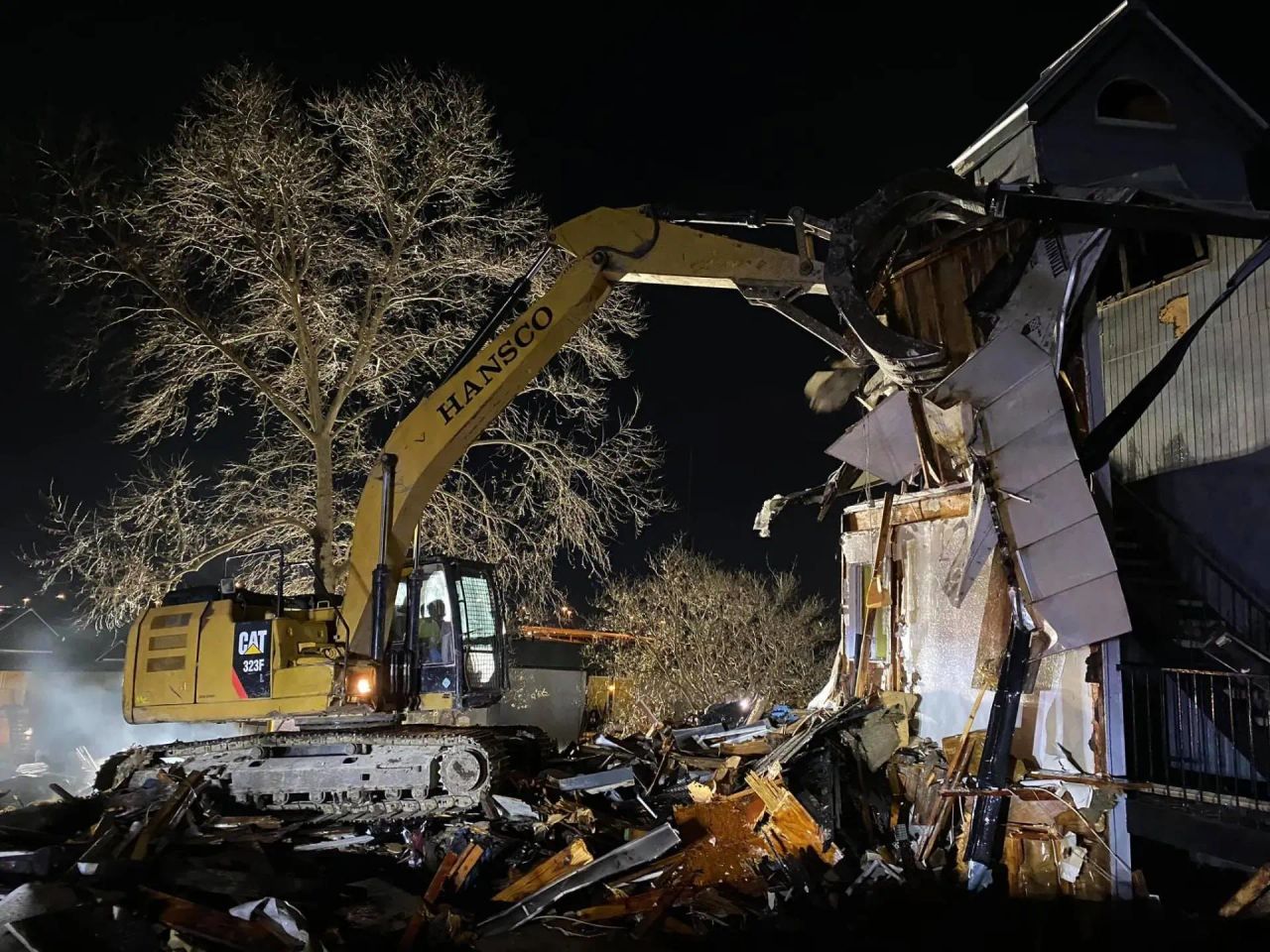

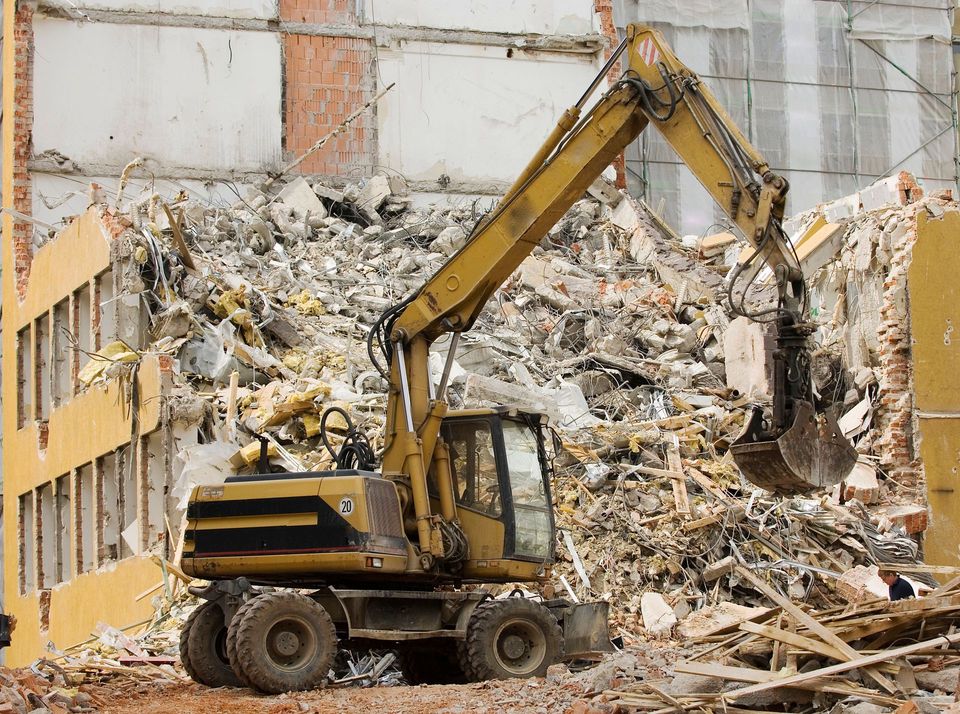
In recent years, there has been a noticeable trend among homeowners toward the removal of backyard swimming pools. This decision is often driven by changing lifestyle preferences, rising maintenance costs, and evolving ideas about how outdoor space should be used. Understanding the process of pool demolition and knowing what to expect can help homeowners make informed decisions. With the right planning and professional demolition services, the once-daunting task of pool removal can become an opportunity to enhance functionality, safety, and long-term property value. This article provides a detailed overview of why homeowners remove pools, the methods involved, and how to approach the process with confidence.
The Need for Pool Removal
For decades, backyard pools symbolized leisure and luxury, but modern homeowners increasingly question whether that space still serves their needs. Shifting priorities, increased awareness of safety risks, and financial considerations have all contributed to a reassessment of pool ownership. Removing a pool is no longer viewed as a loss but rather as a strategic improvement that aligns with contemporary living.
Changing Lifestyle Preferences
As families grow and lifestyles evolve, recreational priorities often change. Many homeowners prefer outdoor spaces that support year-round use, such as patios, gardens, or entertainment areas. A pool may only see use during warmer months, leaving valuable square footage underutilized for much of the year. By removing a pool, homeowners can reimagine their yards as flexible extensions of their indoor living spaces.
Urbanization and access to community amenities also influence this shift. In neighborhoods with nearby public pools or recreation centers, maintaining a private pool can feel redundant. Homeowners increasingly value adaptability, choosing outdoor designs that can evolve with their needs rather than committing to a single-purpose feature.
Upkeep and Maintenance Costs
The ongoing expense of pool ownership is a major factor in removal decisions. Chemical treatments, cleaning equipment, water usage, and energy costs accumulate quickly. Over time, these routine expenses can rival or exceed the initial installation cost, especially when repairs or upgrades are required.
Beyond financial strain, pool maintenance demands time and effort. Weekly cleaning, monitoring water chemistry, and preparing for seasonal changes can become burdensome. Removing the pool frees homeowners from these obligations, allowing both time and money to be redirected toward more enjoyable or practical pursuits.
Space Reutilization Opportunities
Once a pool is removed, the reclaimed space offers remarkable versatility. Homeowners can transform the area into landscaped gardens, outdoor kitchens, play spaces, or even additional parking. The newfound flexibility allows the backyard to better reflect personal tastes and functional needs.
Many homeowners also use this opportunity to incorporate sustainable landscaping features. Native plants, permeable surfaces, and rainwater management systems can replace a pool, supporting environmentally conscious living while enhancing visual appeal.
Property Value Considerations
The effect of a pool on resale value varies widely by region and buyer demographics. In some markets, pools deter buyers due to safety concerns or maintenance costs. Removing a pool can broaden buyer appeal, especially among families with young children or older buyers seeking low-maintenance properties.
A well-designed yard without a pool often photographs better and creates a stronger first impression. By converting a pool area into a cohesive, attractive outdoor space, homeowners can increase marketability and potentially shorten time on the market.
Safety and Liability Concerns
Safety remains one of the most compelling reasons for pool removal. Pools pose inherent risks, particularly for households with children or frequent guests. Even with fencing and covers, the potential for accidents creates ongoing anxiety for many homeowners.
Liability exposure is another consideration. Accidents involving pools can lead to legal claims and higher insurance premiums. Removing the pool significantly reduces these risks, offering peace of mind and potentially lowering insurance costs over time.
Types of Pool Demolition Services
Homeowners can choose from several approaches depending on budget, future plans, and local regulations. Professional demolition services guide homeowners through these options, helping them select the method that best aligns with their goals.
Partial Pool Removal
Partial removal involves demolishing the top portion of the pool and filling the remaining structure with approved materials. This method is generally less expensive and faster than full removal, making it appealing for homeowners with limited budgets.
However, partial removal may restrict future construction options. The buried structure can limit the ability to build foundations or heavy features, so homeowners should carefully weigh long-term plans before choosing this approach.
Full Pool Removal
Full removal eliminates the entire pool structure, leaving the area completely excavated and ready for redevelopment. While more costly upfront, this option provides maximum flexibility for future landscaping or construction projects.
Homeowners planning major yard transformations often prefer full removal because it eliminates hidden obstacles and simplifies future permitting. Experienced contractors ensure the process is thorough, safe, and compliant with local requirements.
Filling and Compacting the Site
Whether partial or full removal is chosen, proper filling and compaction are critical. According to Bob Vila, the 5 most common pool filler materials include gravel, dirt, fill sand, topsoil, and concrete. In most cases, a combination of materials are used in two or three different layers. This approach helps prevent settling and supports long-term stability for landscaping or structures built on the site.
Professional oversight during filling minimizes the risk of drainage issues or uneven settling, protecting the homeowner’s investment and ensuring lasting results.
Permits and Local Regulations
Most municipalities require permits for pool removal. Regulations often address drainage, debris disposal, and soil compaction standards. Reputable demolition services handle permitting requirements and coordinate inspections to keep projects on schedule.
Understanding local codes early in the process helps homeowners avoid delays, fines, or complications during resale. In some areas, final inspections are required before landscaping or construction can begin, making compliance especially important for project timelines.
Environmental Impact Considerations
Responsible pool removal includes attention to environmental impact. Recycling concrete, reusing materials, and selecting eco-friendly fill options reduce waste and environmental disruption.
Contractors experienced in sustainable practices help homeowners align their projects with broader environmental goals while complying with local guidelines.
Choosing a Reliable Demolition Contractor
Selecting the right contractor is essential for a successful outcome. Credentials, experience, and clear communication are key indicators of reliability. Skilled professionals offering demolition services understand site-specific challenges and proactively manage risks.
Homeowners should verify licensing, review past projects, and request detailed explanations of the removal process before committing.
Customer Reviews and Reputation
Online reviews and testimonials provide valuable insight into a contractor’s professionalism and workmanship. Consistent positive feedback often signals dependable demolition services and strong customer satisfaction.
Balancing reviews with direct communication helps homeowners choose a contractor who aligns with their expectations and project goals.
Project Timeline and What to Expect
Understanding the general timeline of a pool removal project helps homeowners plan more effectively. Most projects begin with permitting and site preparation, which can take several days depending on local approval processes. Once permits are secured, the physical demolition typically spans a few days, followed by filling, compacting, and rough grading. Weather conditions, soil type, and access to the backyard can influence the overall duration.
After demolition is complete, homeowners should anticipate a short settling period before installing permanent landscaping or structures. This waiting phase allows the ground to stabilize naturally. Clear communication with contractors about timelines and post-removal recommendations ensures the space is ready for its next phase of use without unexpected delays.
With thoughtful planning and experienced demolition services, homeowners can confidently transform their outdoor spaces into versatile, attractive environments that support modern living and long-term goals. Contact Hansco, Inc Today and get connected with our demolition and excavation services.
Have questions about your project? Call (210) 669-2002 or contact us.