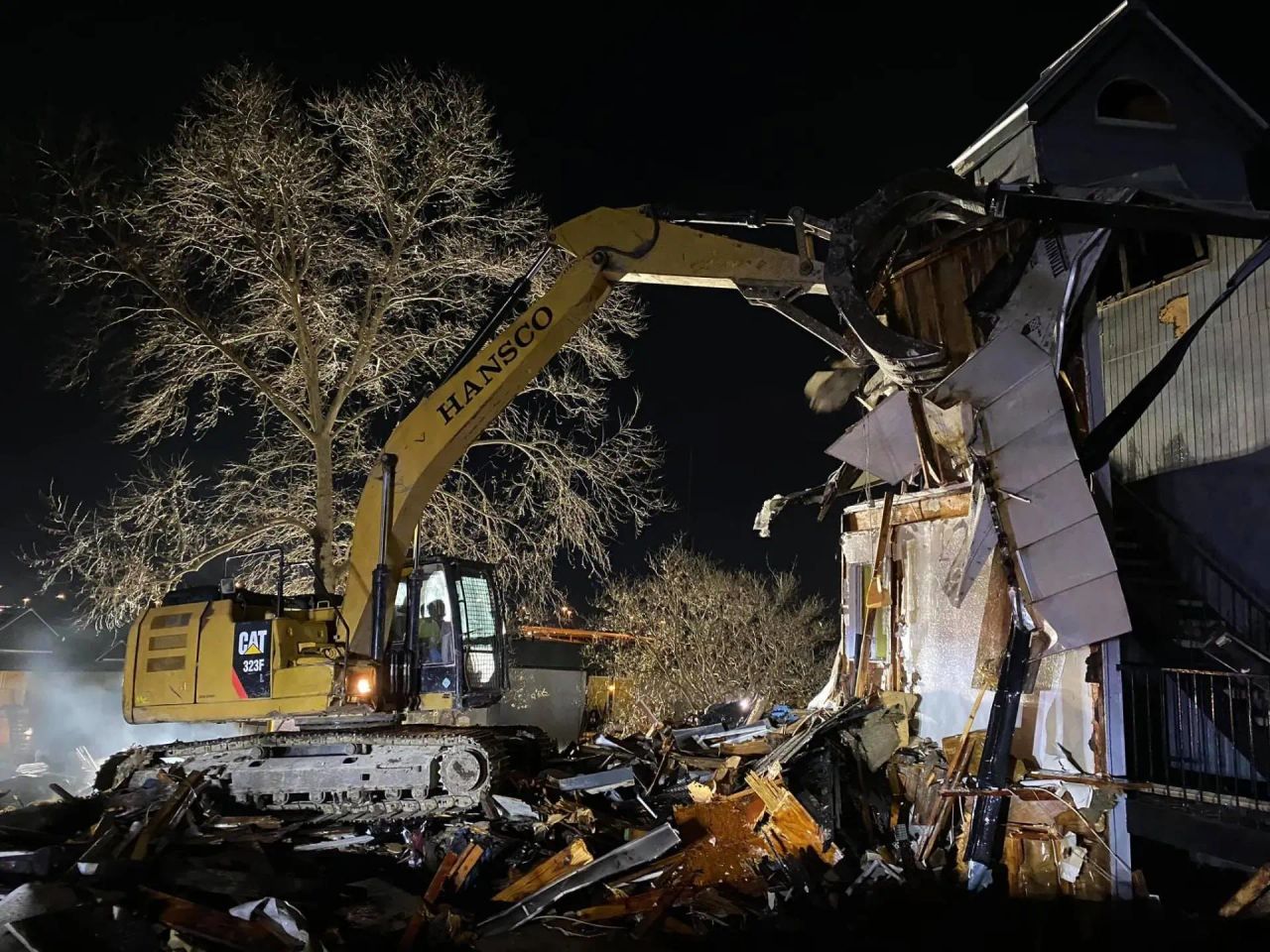

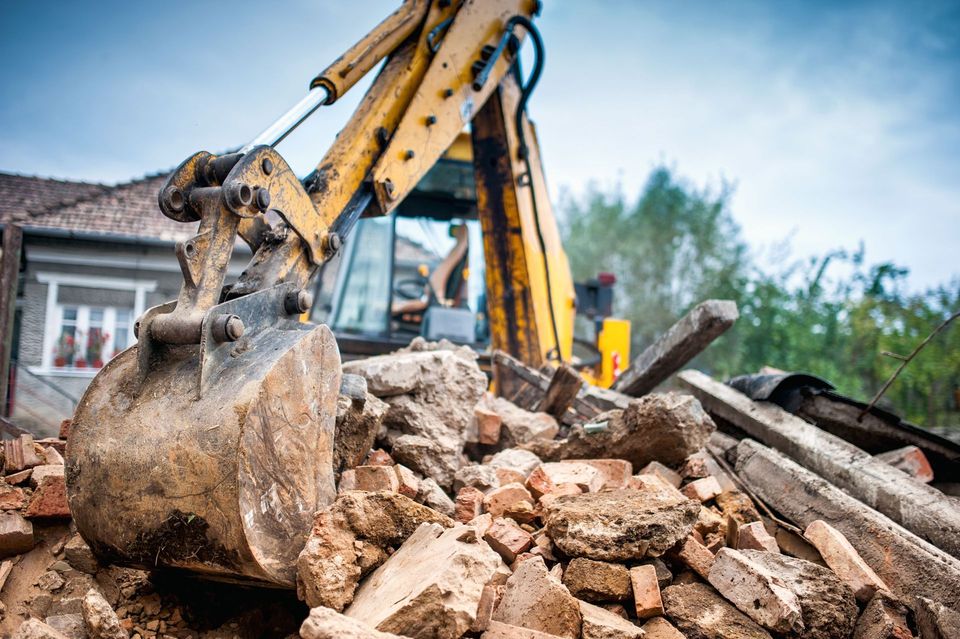
Transforming outdoor spaces often begins with skilled demolition services. Beyond removing structures, these services lay the groundwork for safe, functional, and visually appealing designs. Whether redesigning a backyard, expanding a patio, or updating amenities, understanding demolition ensures projects run smoothly. Clearing outdated structures creates a foundation for creative landscaping, while early engagement with professionals keeps transformations efficient and aligned with long-term goals. A well-prepared site accelerates timelines and allows for more ambitious designs.
Understanding and Planning Demolition Services
Demolition services involve more than removing structures; they require careful planning for safety and efficiency. Contractors assess the site to determine methods, equipment, and hazards, while also managing materials responsibly to minimize disruptions. Understanding these services helps property owners set realistic timelines, budgets, and expectations.
Planning is especially important for older structures with hidden challenges like outdated plumbing, weak foundations, or unstable retaining walls. Step-by-step strategies prioritize tasks, ensure safe material removal, and account for environmental factors like soil erosion, drainage, and wildlife. Thoughtful planning transforms chaotic sites into organized, ready-to-build areas that support innovative landscaping and lasting durability.
Managing Materials and Environmental Considerations
Material management is one of the most critical aspects of demolition services, directly impacting sustainability and project efficiency. Concrete, wood, metal, and soil must be properly disposed of or recycled to minimize environmental harm. For instance, according to Bob Vila, common pool filler materials—gravel, dirt, fill sand, topsoil, and concrete—are often layered in two or three combinations to provide structural stability, illustrating the importance of thoughtful material use. Skilled demolition services prioritize proper segregation, recycling, and reuse, helping reduce waste while maintaining a clean and safe site.
Efficient material management allows for creative reuse opportunities. Concrete can be crushed and repurposed for pathways or garden borders, while wood can be used for raised beds, pergolas, or decorative features. Even soil can be redistributed to level yards, improve drainage, or support planting areas. These practices not only reduce costs but also contribute to environmentally responsible landscaping, demonstrating that demolition services can be both sustainable and strategic. By approaching material management with foresight, contractors help property owners maximize both environmental and aesthetic outcomes, turning what could be waste into valuable resources for a thriving outdoor space.
Enhancing Property Value and Usability
Professional demolition services significantly improve both the functional and aesthetic value of a property. Removing outdated or unsafe structures opens up space for creative outdoor features, from patios and pergolas to gardens and recreational areas. This newfound flexibility allows landscape designers to optimize flow, maximize usable square footage, and craft cohesive environments that are visually appealing and practical. Well-executed demolitions also increase property marketability, as homebuyers and investors favor outdoor spaces that are modern, safe, and inviting.
Beyond aesthetics, demolition services enhance usability by removing barriers that limit movement or activities. For example, an uneven or cracked concrete patio may prevent safe access for children or pets, while old fencing or retaining walls can restrict landscaping options. By removing these obstacles, property owners can design versatile spaces suitable for entertaining, gardening, or relaxing. The transformation also promotes better land utilization, whether incorporating water features, play areas, or seating zones. In essence, demolition services are an investment—not only in immediate project efficiency but in the long-term usability and value of a property. Expanding the potential of outdoor areas transforms how people experience and interact with their environment, offering both functional and financial rewards.
Leveraging Advanced Demolition Techniques
Modern demolition services rely on advanced machinery, robotics, and smart technologies to ensure precision, efficiency, and safety. High-reach excavators, hydraulic tools, and robotic units allow contractors to remove structures accurately without unnecessary damage to surrounding areas. Drones provide aerial surveys to map complex sites, while AI-powered tools analyze project data to optimize resource allocation and predict challenges before they arise.
These techniques reduce downtime, minimize environmental impact, and improve overall project outcomes. For instance, selective demolition can preserve certain landscape elements, like mature trees or stone walls, while removing unwanted structures. High-reach machinery allows contractors to safely dismantle hard-to-reach areas, and robotic units reduce manual labor in potentially hazardous zones. The use of smart technologies also facilitates better coordination among project teams, allowing adjustments in real time. By leveraging advanced demolition techniques, contractors deliver efficient, precise, and environmentally responsible results, making outdoor transformations faster, cleaner, and safer.
Integrating Demolition Services With Landscaping
The integration of demolition services with landscaping is critical for achieving a seamless transformation. Collaboration between contractors and landscape designers ensures that site preparation aligns with design objectives, from grading and soil stabilization to planting plans and hardscaping layouts. Coordinating timelines allows for smooth transitions from demolition to construction, reducing downtime and avoiding unnecessary delays.
Effective integration also addresses potential challenges, such as unexpected site conditions or regulatory requirements, allowing teams to adapt quickly while preserving the overall design vision. For example, if old foundations or irrigation systems are discovered during demolition, contractors can adjust plans without compromising deadlines or aesthetics. Similarly, strategic coordination ensures that utilities, drainage, and soil amendments are correctly implemented before planting or paving begins. By approaching demolition as a collaborative, forward-thinking process, outdoor projects benefit from efficiency, consistency, and a strong foundation for long-term success. This integration ensures that every element—from structural removal to final landscaping—works harmoniously to create a cohesive and functional outdoor environment.
Overcoming Challenges in Demolition Projects
Demolition projects present a variety of challenges, from handling hazardous materials to managing environmental impacts and controlling costs. Materials such as asbestos, lead, and chemical residues require specialized removal protocols to ensure worker safety and regulatory compliance. Noise and dust pollution must be mitigated through water sprays, barriers, and continuous monitoring to protect surrounding communities. Budget and schedule management are equally important, as unexpected conditions can lead to costly delays if not anticipated.
Proactive planning and communication are essential in overcoming these challenges. Experienced demolition services anticipate potential hazards and create contingency plans for unexpected issues, such as hidden underground utilities or adverse weather conditions. Effective problem-solving also involves staying current with local regulations and environmental guidelines, ensuring that the project proceeds without legal or logistical setbacks. By addressing obstacles efficiently, demolition services help property owners experience a smoother process and a more predictable outcome, ultimately turning a complex and potentially disruptive task into a manageable and positive transformation of their outdoor space.
Choosing the Right Demolition Services
Selecting the right demolition service is vital to achieving desired outcomes safely, efficiently, and sustainably. Property owners should evaluate provider experience, past project success, regulatory compliance, and transparency in cost estimates and contracts. A contractor with a strong portfolio and proven expertise demonstrates the ability to handle complex projects while integrating modern technologies and sustainable practices.
Clear communication, understanding of local regulations, and commitment to safety ensure that demolition services support both immediate project needs and long-term property goals. Property owners should also consider the contractor’s reputation for collaboration with landscape designers, ensuring that demolition and landscaping efforts are seamlessly coordinated. Partnering with skilled and reputable contractors guarantees professional execution, paving the way for outdoor spaces that are functional, visually appealing, and environmentally responsible. With the right provider, even the most challenging projects—such as multi-level yards, pool renovations, or large-scale patios—can be completed efficiently and to a high standard of quality.
Demolition services provide the foundation for efficient, sustainable outdoor transformations. With strategic planning, modern technologies, and collaboration with landscaping professionals, property owners can create functional and beautiful spaces. By managing challenges and materials responsibly, projects remain safe, cost-effective, and environmentally conscious. Reimagine outdated areas into vibrant, usable landscapes with professional demolition services from Hansco, Inc.
Have questions about your project? Call (210) 669-2002 or contact us.