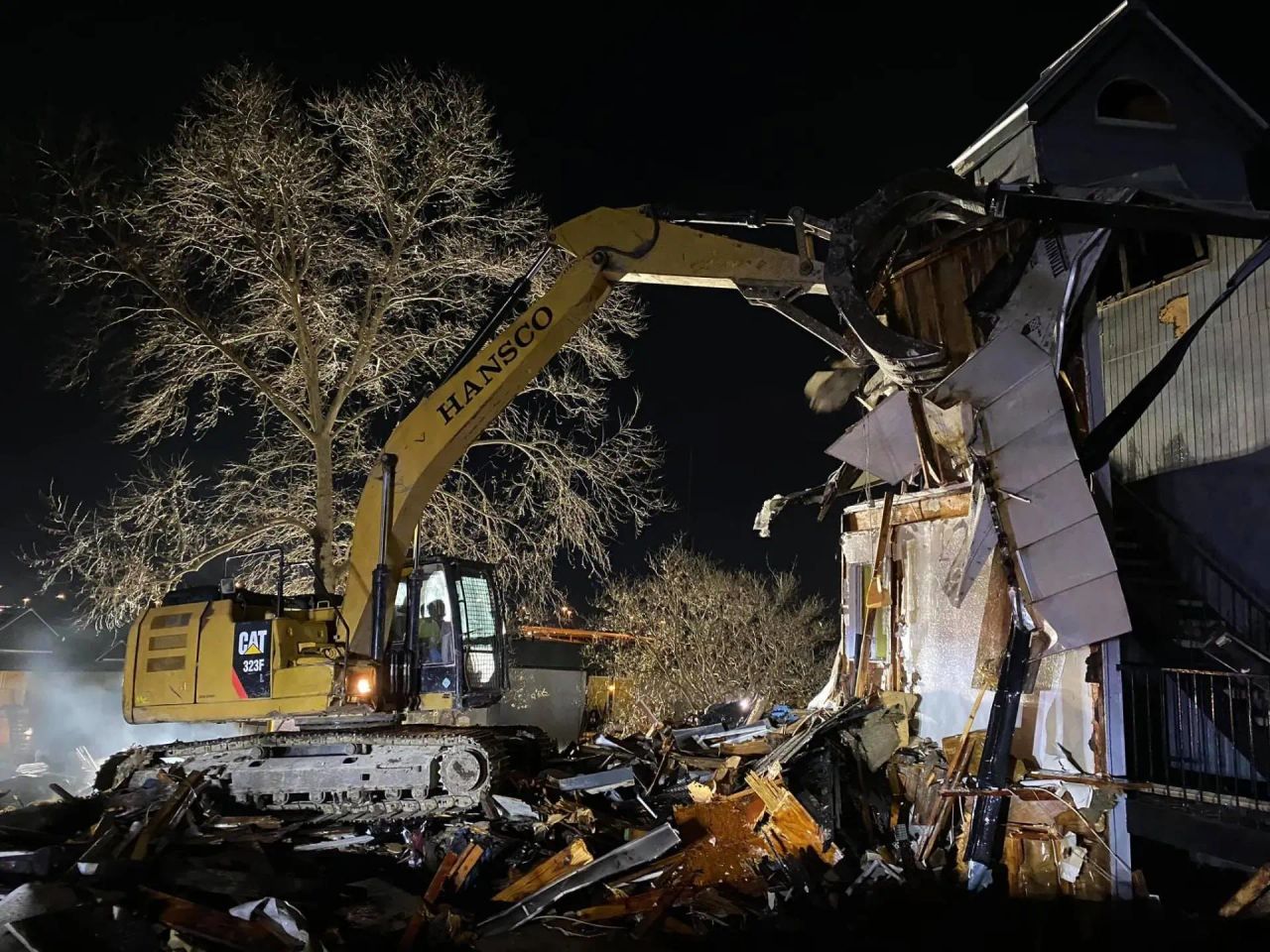
Properties across the nation occasionally encounter severe threats that compromise their physical integrity, making swift intervention essential to safeguard the public. When a building poses an imminent threat to occupants, nearby structures, or local infrastructure, property owners must take decisive steps to mitigate danger. In these high-stakes scenarios, securing professional emergency demolition services becomes necessary to eliminate catastrophic risks and protect the surrounding community. This comprehensive guide explores the core factors that require fast teardowns, covering structural decay, environmental disasters, hazardous contamination, public health risks, economic practicalities, and municipal regulatory enforcement.
Recognize Causes of Structural Instability
Structural failure originates from a range of severe factors, including severe deferred maintenance, substandard building techniques, and long-term environmental weathering. Over decades, persistent moisture intrusion and subterranean soil shifting weaken foundational footings, causing load-bearing walls to shift out of alignment. According to HomeGuide, tearing down an older residence is frequently the superior path forward for homes aged 50 to 70 years that exhibit widespread electrical and plumbing complications. When these extensive utility failures combine with compromised framing, an emergency demolition provides the most effective solution to secure the property footprint safely.
Evaluate Immediate Safety Risks
Evaluating immediate safety hazards requires identifying structural failure points that threaten total collapse. When primary support beams warp, roofs sag, or load-bearing masonry cracks severely, immediate physical intervention is required to safeguard human life. We monitor these compounding structural defects to determine whether a building can be stabilized or if immediate teardown procedures are mandatory. Leaving an unviable, compromised building standing exposes adjacent properties, street traffic, and pedestrians to severe hazards, making prompt action vital for property owners.
Review Engineering Evaluations
Professional structural engineers conduct rigorous assessments to determine whether a failing property can be salvaged. These technical reviews involve examining load-bearing capacities, foundation shifts, and material degradation across the entire structure. When engineering reports indicate that structural integrity has fallen below safe thresholds, remediation is no longer a viable option. We rely on these precise engineering evaluations to design controlled teardown strategies that eliminate structural threats without impacting adjacent properties.
Learn From Structural Failure Case Studies
Historical structural failures emphasize the severe consequences of delaying essential building repairs and ignoring early warning signs. Investigations into sudden building collapses consistently show that unaddressed foundation issues and neglected structural defects lead to catastrophic outcomes. These past events underscore the vital importance of taking proactive measures when a structure shows clear signs of failure. Implementing an emergency demolition as soon as critical defects are identified prevents tragic accidents and ensures surrounding neighborhoods remain safe.
Respond to Earthquake Damage
Earthquakes generate intense ground movements that can instantly destroy a building's structural integrity, especially in older, unreinforced properties. Severe seismic shocks fracture concrete foundations, shatter load-bearing walls, and leave buildings leaning precariously. Subsequent aftershocks frequently exacerbate this existing damage, turning partially standing structures into immediate collapse hazards. Executing an emergency demolition following a major seismic event removes these dangerous ruins quickly, preventing sudden secondary collapses and protecting urban areas.
Manage Hurricane and Storm Destruction
Extreme weather systems bring high-velocity winds, torrential rainfall, and severe pressure changes that break structural framing and strip away roof systems. The resulting structural damage leaves properties weakened, unstable, and highly vulnerable to sudden structural collapse. In the wake of major storms, these damaged buildings present severe hazards to cleanup crews, emergency responders, and neighboring residents. We utilize rapid teardown procedures to safely clear storm-damaged properties, eliminating physical hazards and allowing community recovery efforts to move forward safely.
Address Flood and Mudslide Impact
Flooding and mudslides damage properties by eroding supporting soil, washing away foundations, and saturating building materials with immense pressure. As waterlogged structural elements absorb moisture, their load-bearing capacity drops drastically, creating high risks for immediate failure. Mudslides also exert heavy lateral forces against exterior walls, pushing buildings off their foundations. Performing an emergency demolition on water-damaged or mud-impacted properties removes severely weakened structures before they collapse unexpectedly onto neighboring lots.
Mitigate Fire Damage Hazards
Intense structural fires destroy essential framing, warp steel support beams, and reduce load-bearing timber to ash within hours. Even if a building remains partially standing after a fire, the surviving structure is often extremely brittle and prone to sudden failure. Additionally, fire-damaged properties present environmental hazards due to toxic soot, burnt insulation, and ash residue. We implement rapid demolition protocols to safely take down burned structures, mitigating collapse hazards and preparing the site for comprehensive environmental remediation.
Implement Emergency Response Protocols
Executing a successful emergency teardown requires close coordination between emergency personnel, municipal officials, and specialized field crews. Establishing structured response protocols ensures that perimeter security, utility shutoffs, and traffic management are handled efficiently prior to site work. Clear communication channels allow teams to address site hazards quickly while minimizing disruptions to neighboring residents and businesses. These structured protocols allow us to deploy equipment rapidly and execute high-risk teardown operations safely.
Identify Hazardous Material Threats
Deteriorating or heavily damaged properties often contain dangerous hazardous materials that become exposed when structural integrity fails. Industrial chemicals, toxic manufacturing residues, and degraded building components create serious environmental and health risks if left uncontained. When an unstable structure prevents safe indoor remediation, rapid teardown methods combined with containment controls become necessary. Clearing these compromised structures prevents chemical runoff, airborne contamination, and ongoing exposure risks for the surrounding community.
Handle Asbestos and Lead Hazards
Older commercial and residential properties frequently contain significant amounts of asbestos insulation, transite panels, and lead-based paints. When structural damage fractures these materials, toxic fibers and lead dust can pollute the surrounding air and soil. Managing these hazards during a structural emergency requires specialized handling, dust suppression systems, and strict disposal protocols. We take immediate action to neutralize these toxic risks, ensuring that hazardous debris is safely removed without contaminating neighboring properties.
Protect Nearby Schools and Hospitals
Unstable buildings located near high-density public spaces—such as schools, daycare centers, and medical facilities—present elevated risks to vulnerable populations. A sudden structural collapse or toxic dust discharge in these sensitive areas can cause severe injuries and major public health disruptions. Municipalities and property owners must act quickly to remove hazardous properties situated near public institutions. Swift structural removal ensures that students, patients, healthcare workers, and nearby pedestrians remain fully protected from unexpected building failures.
Preserve Neighborhood Economic Stability
Leaving severely damaged or blighted properties unaddressed harms local property values, discourages neighborhood investment, and causes economic decline. Visible structural decay frightens prospective homebuyers, depresses surrounding real estate markets, and places an unfair burden on nearby property owners. Taking down dangerous, unviable buildings prevents long-term blight from spreading across entire residential blocks or commercial corridors. Clearing hazardous structures stabilizes neighborhood market values and opens up immediate opportunities for vibrant community redevelopment.
Coordinate With Emergency First Responders
High-risk demolition operations require seamless coordination with local police departments, fire services, and emergency management agencies. Establishing secure perimeters, rerouting local traffic, and disconnecting utility mainlines are necessary steps before bringing heavy machinery onto an active site. Joint planning between demolition teams and first responders minimizes operational delays and maximizes public safety. This close multi-agency collaboration ensures that high-risk teardown projects are executed smoothly without endangering surrounding neighborhoods.
Weigh Repair Costs Against Demolition
Property owners faced with severe structural damage must carefully weigh the financial cost of extensive structural repairs against complete building removal. In many cases, retrofitting a severely deteriorated foundation, replacing framing, and updating outdated utility systems costs significantly more than rebuilding from scratch. According to HomeGuide, tearing down an older residence is frequently the superior path forward for homes aged 50 to 70 years that exhibit widespread electrical and plumbing complications. When restoration costs exceed property value, an emergency demolition provides a sensible, cost-effective solution.
Managing severe structural failures, environmental contamination, and municipal safety mandates requires immediate action, deep industry expertise, and a total commitment to public safety. When a property becomes an active hazard to its surroundings, securing an emergency demolition eliminates immediate legal liabilities and opens up new possibilities for future site development. Working with an experienced team ensures that compromised buildings are taken down safely, efficiently, and in full compliance with all local regulations. For fast, reliable, and professional emergency demolition services, contact Hansco, Inc today to discuss your site needs and schedule a comprehensive project consultation.
Have questions about your project? Call (210) 669-2002 or contact us.